Equity Conference
Equity Conference
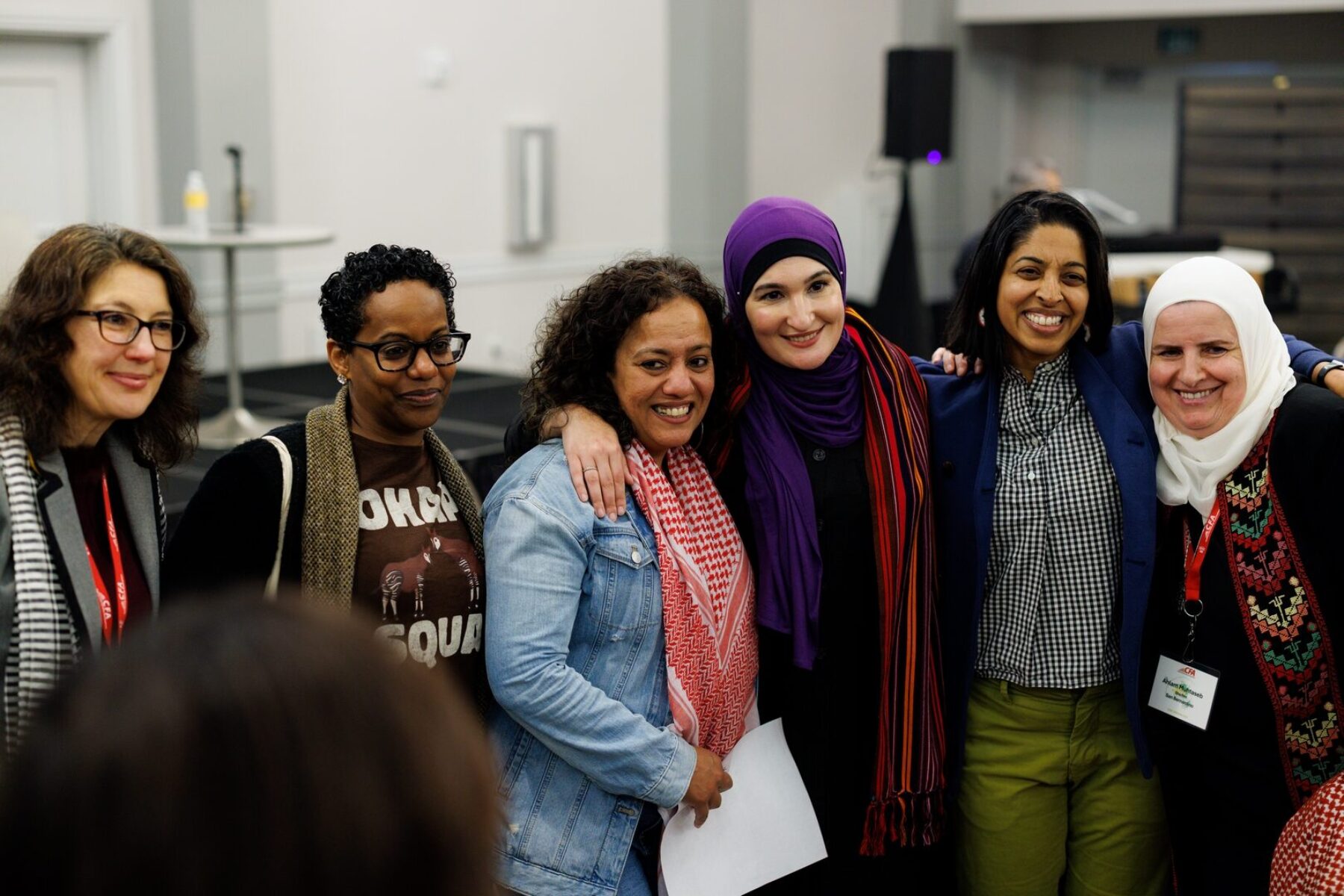
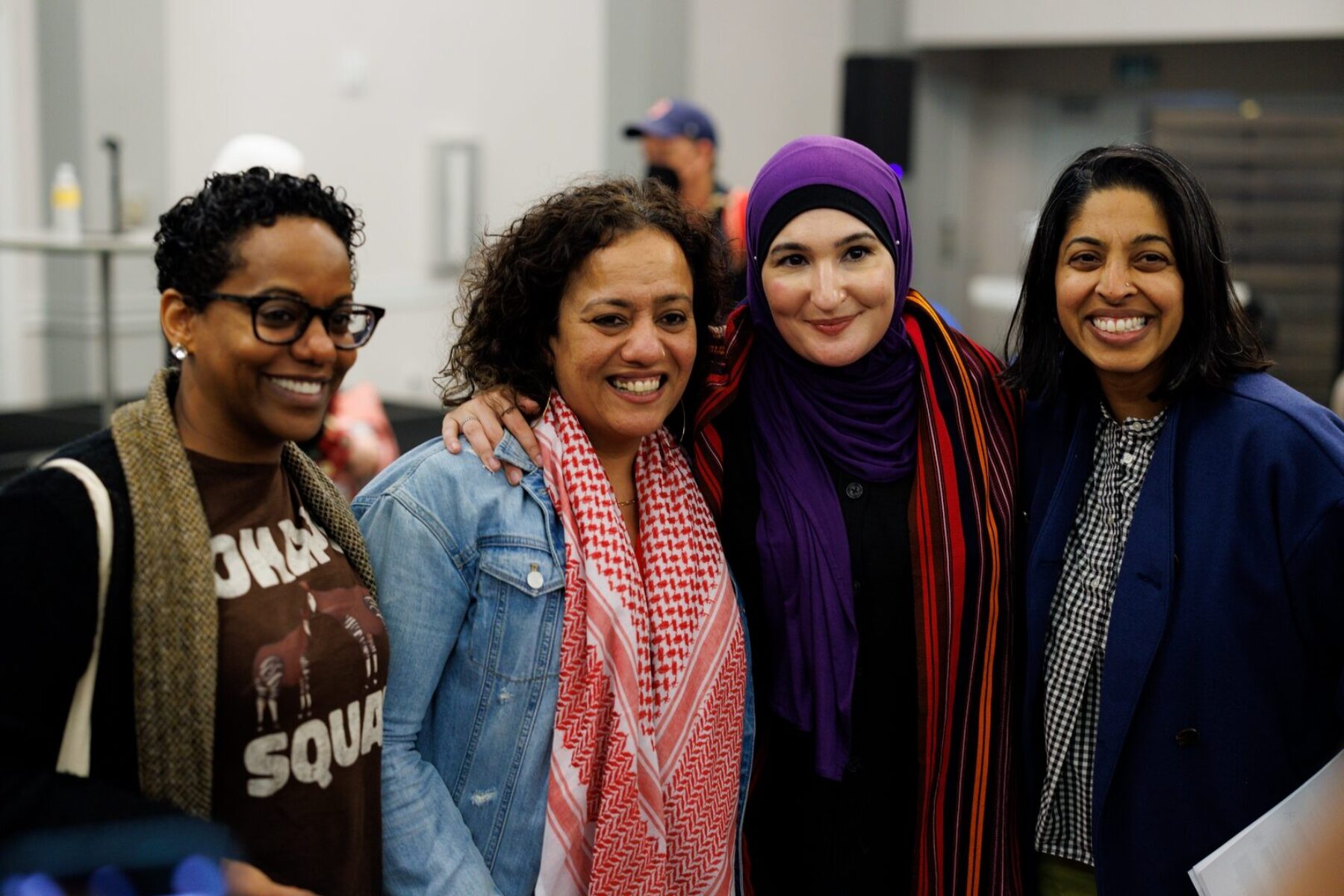
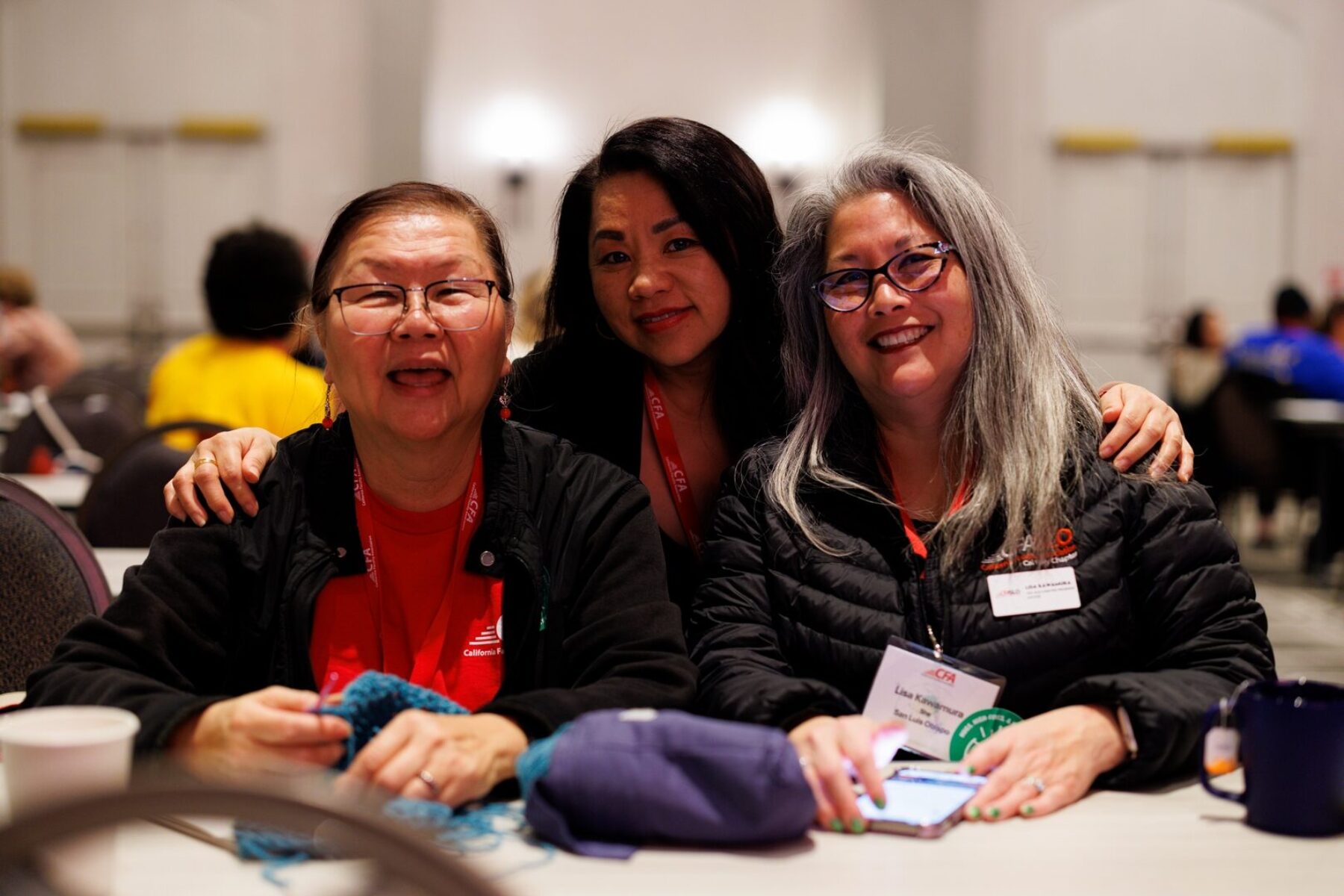
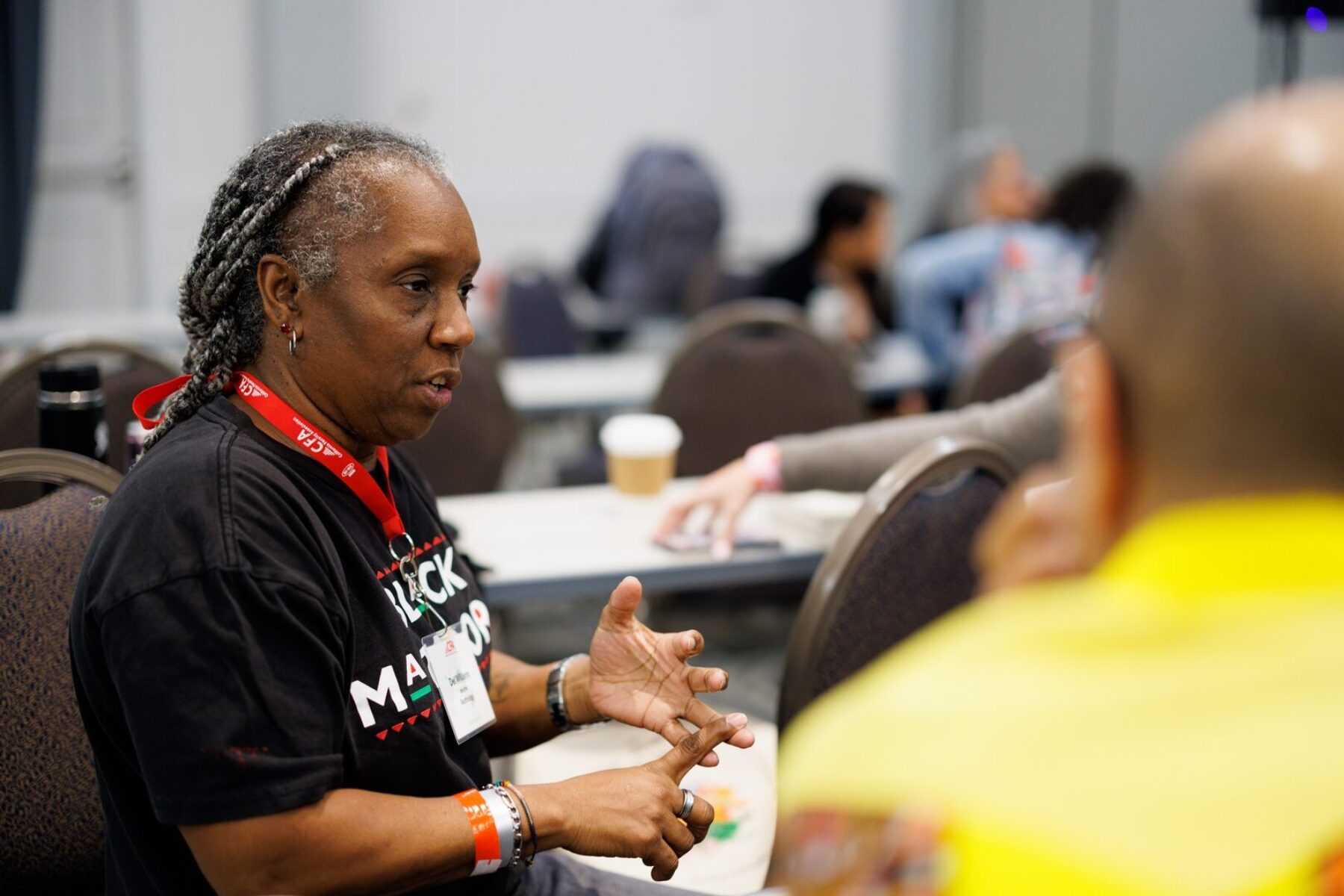
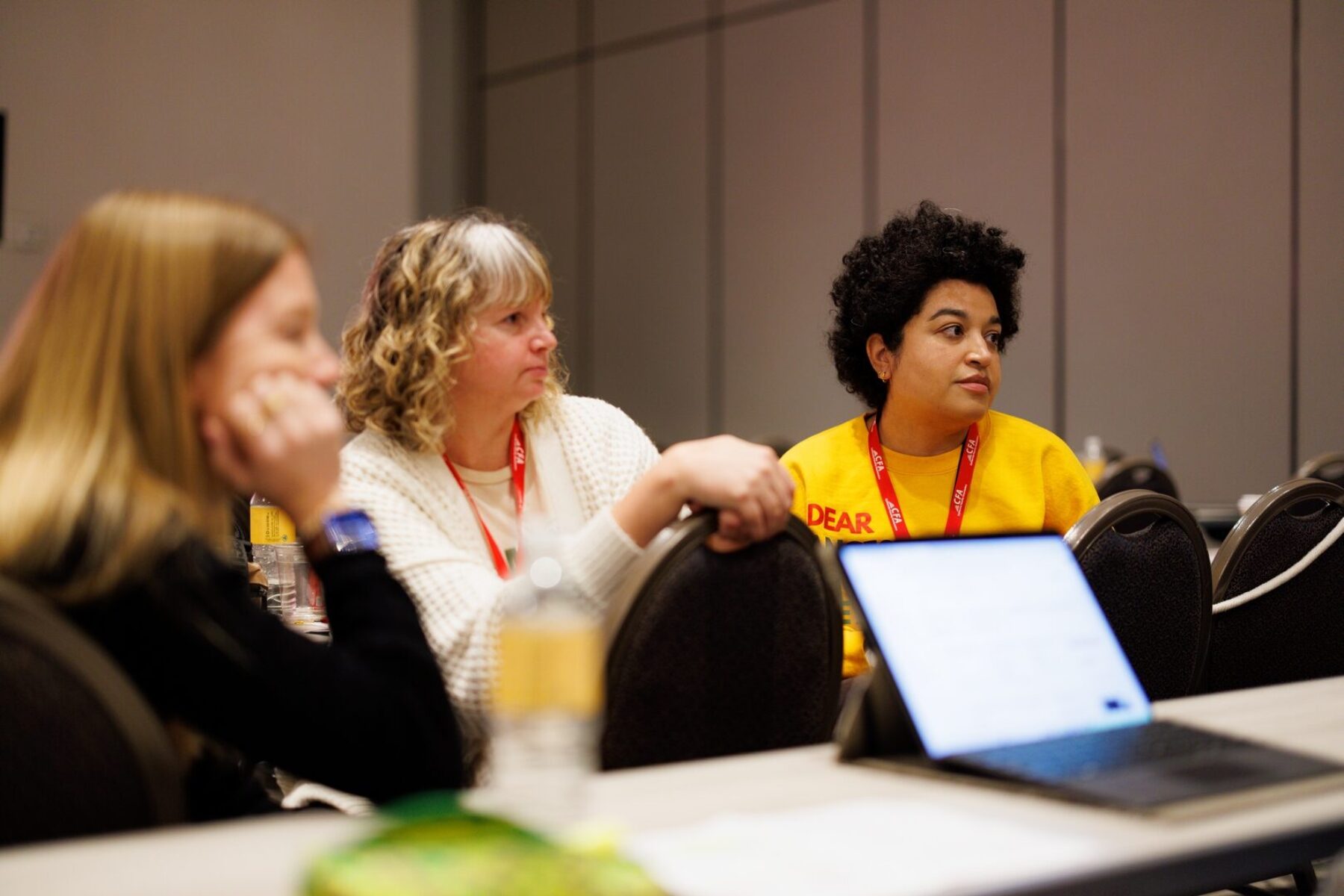
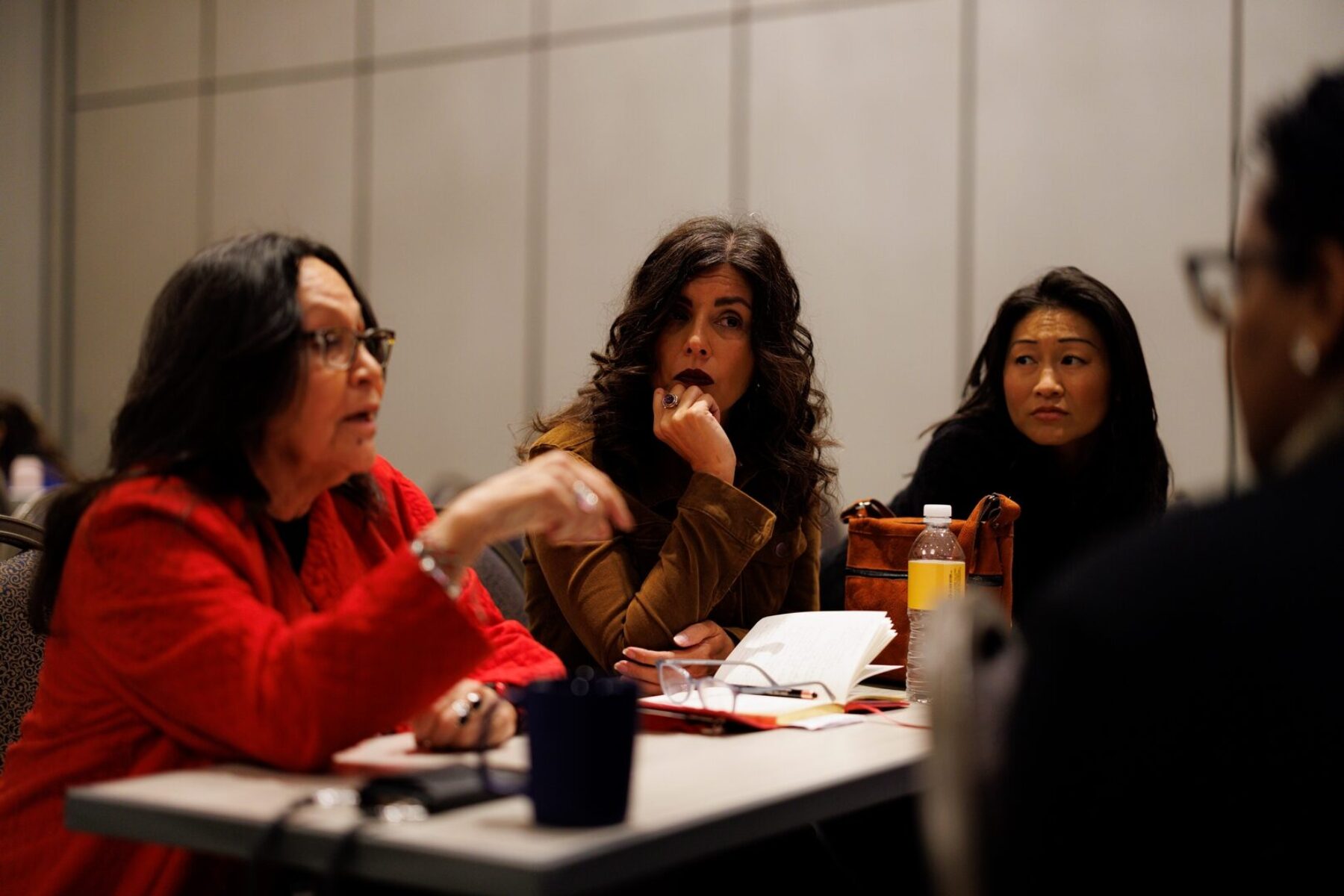
A project of the Council for Racial and Social Justice, the Equity Conference is a chance for CFA members to connect for co-liberation. The now-annual event reflects the concerted efforts undertaken in the last several years to center Anti-Racism & Social Justice in all things CFA, beginning with the recognition that racism and white supremacy is institutionalized in our organization and a commitment to what we began calling our Anti-Racism & Social Justice Transformation.
2026 Equity Conference

This year’s virtual Equity Conference from March 12-14 will explore the ways we thrive together, how we moved purposefully through the chaos, and maintain our focus to resist as a collective. Together, we remember that we are the power, we are united in purpose, and we are enough!
Speakers and workshop presentations will wrestle with these concepts and prepare conference attendees for active resistance:
Thrive – We see a value in the word “thrive” to signal ways to move together united in purpose with care, courage, security, and joy. Making space for joy is not an afterthought: it is a core strategy for maintaining our solidarity.
Chaos – The “chaos” refers to rising fascism and the speed at which harmful attacks are being enacted with the intention of breaking our solidarity. The rising fascism is intensive and is also rooted ongoing systemic structures and histories of racism, classism, sexism, transphobia, ableism, and xenophobia, At the university, we know the chaos is about the university-level budget cuts and the lack of participatory budgeting; surveillance; and silencing. If the chaos is intersectional, so too is our resistance.
Resistance – Thus, we see value in understanding “resistance” as collective action. Fear is an important response, but we envision how to move from being afraid to inhabiting purposeful anger and unifying power. We will not comply in advance; we will imagine and rise together and build better structures, institutions, and systems.
Community – Without community, we fall. Community is understood here in both the global and local sense: how do we connect with community to support each other, build structures for resistance, and new systems.
Registration Information
This conference is open to CFA Members and CFA Staff only. Please use the form below to select the sessions you wish to attend.
The deadline to request accessibility accommodations (i.e. captioning, interpreting) is February 27.
*Please note that all accommodations will be provided upon approval.
The deadline to register for this conference is March 6. Registration is required.
Contact Us
Feel welcome to contact Events Specialist Kiarra “KiKi” Lee at klee@calfac.org or ARSJ Administrative Assistant Cailey Bronny at cbronny@calfac.org with any inquiries you may have.
Schedule of Events with descriptions
9:30am – 10:00am
Opening and Welcome
Equity Conference Committee
This session will help participants get Equity Conference oriented and grounded as the planners share their thoughts and excitement for “Thriving through Chaos” sessions to come in the next few days.
10:00am – 11:30am
Session 1
Panel: Indigenous Futures: Lessons from the Land and Water – Cutcha Risling Baldy, Cal Poly Humboldt and Kaitlin Reed, Cal Poly Humboldt
Cutcha Risling Baldy (enrolled Hoopa Valley Tribe, Yurok/Karuk) and Kaitlin Reed (enrolled Yurok Tribe, Hupa/Oneida) are co-directors of Rou Dalagurr: Food Sovereignty Lab & Traditional Ecological Knowledges Institute (Rou Dalagurr). Both Risling Baldy and Reed were born in Humboldt County and each felt strong connections to their cultures. For Risling Baldy, her deep involvement with her community includes revitalizing the Flower Dance. For Reed, returning home as an adult after moving away as a child, allowed her to work for the Yurok Tribe. The two initially crossed paths while students at UC Davis, and later reconnected as faculty at Cal Poly Humboldt, they are driven by a shared mission to support Native American students and tribes. Together, they mentor students, guiding them through research, project development, and advocacy, while also fostering collaborations that address community needs. On a mission to indigenize the Cal Poly Humboldt campus and extend the university’s resources to support the broader Indigenous community, they now serve as co-directors of Rou Dalagurr. This session will focus on the transformative spaces they have created, like the Food Sovereignty Lab and Wiyot Plaza, to lead impactful initiatives that integrate Indigenous knowledge and practices into both academia and the community.
12:00pm – 1:30pm
Session 2
Panel: Academic Freedom, EEOC, and Title IX – Karma Chavez, UT Austin; Rana Jaleel, UC Davis and AAUP; Veronica Obregon, CSULA
Academic freedom is the indispensable requisite for meaningful teaching and research in institutions of higher education, according to the American Association of University Professors (AAUP). Some may define it as faculty expression to say, investigate, or publish issues in their field; we emphasize how academic freedom also encompasses faculty’s ability to cultivate student imagination and build relationships that envision democratic practices. With higher education under attack, faculty have to contend with two layers of the challenge: one, an authoritarian far-right government, and two, university administration. The first, the government, continues to gut hard-fought protections, like Title IX, while weaponizing federal departments, like the EEOC. The second, university administration, suppresses campus speech while retaliating against those who challenge those suppressions. This panel asks what organizing higher education looks like in the face of these restrictions or disciplinary actions on otherwise lawful speech. Hear from panelists on these stories of resistance from which to draw lessons.
2:00pm – 3:30pm
Session 3
Workshop: The Politics of Legislative Bill Ideas– CFA Advocacy, Policy, and Strategy
The purpose of this workshop is to give our members a sense of the bill development process (e.g., you need more than a good bill idea) and political considerations (e.g., how to choose an author). The workshop will include two breakout teams where members can take existing laws and practice mocking up bill language.
The training will:
1) Center on the Liberate the CSU campaign
2) Ground faculty activists in today’s political realities while building confidence, clarity, and collective power
3) Provide skills building on bill development and legislative advocacy. At the end of our workshop, you will get an update on the Fight Back election work coming up in 2026! We are working hard to elect champions in California and in DC!
4:00pm – 5:30pm
Session 4
Plenary: How to Respond to Rising Christian Nationalism & Authoritarianism – Matthew Boedy, University of North Georgia and American Association of University Professors (AAUP)
The attacks on education and democracy are part of broader plans to Christianize America and destroy Democracy. Among the influences that created Project 2025 is the belief of proclaimed “culture warriors” in the Seven Mountains Mandate which calls for Christians to influence seven key societal spheres at the institutional level (family, religion, education, government, media, arts/entertainment, and business) to impose biblical values and foster the Second Coming. Boedy will share with conference participants his research and forward reflections that have earned him place on the “professor watchlist”.
6:00pm – 7:30pm
Session 5
Panel: Antisemitism: Safety Through Solidarity – Barry Trachtenberg, Wake Forest University; Shane Burley, writer and filmmaker; and Ben Lorber, Political Research Associates
This will be a dynamic exchange between panelist and participants on modern Jewry, understanding Zionism, and detangling antisemitism.
9:00am – 10:30am
Session 1
Panel: Gender, Trans, and Women Gender Sexuality Studies Under Attack – Loren Cannon, Cal Poly Humboldt; Lori Baralt, CSULB; Tomomi Kinukawa; SFSU
In February 2026, Texas A&M University ended its Women’s and Gender Studies program citing limitations on discussions of “race or gender ideology.” A few years prior, the Florida government also abolished agender studies program at the New College in order to restore “classic liberal education.” Institutions in Kansas, Ohio, and Rhode Island have followed suit. At the CSU, last year, Sonoma State University administration eliminated its Women’s and Gender Studies department due to an alleged budgetary deficit. While these closures happened for seemingly different reasons, each fit it in a broader trend that reshapes values of gender in social life. In a 2025 Executive Order to “Defend Women” from so-called “Gender Ideology Extremism,” authoritarian scapegoating of the use of “gender” establishes these values as it attacks trans bodies, trans lives, and any non-conforming gender and sexuality broadly. This panel connects these trends to consider what lessons past struggles can offer these current attacks; and what CSU faculty and programs are doing to weather these turbulent times.
10:30am – 12:00pm
Session 2
Panel: Thriving through Community: Disabled Care Work and Disabled Futures on Campus – Dr. Debra Berry Malmberg, CSUN; Dr. Jess Block Nerren, CSUSB; Dr. Josie Blagrave, Chico State; Dr. Sara McDaniel, CSU East Bay
This session, a panel led by Disability Inclusion Faculty Fellow, Dr. Jess Block Nerren, will discuss disability justice and disability pride as tools to not only survive but thrive in times where there are chaos and resistance. Topics included will be disability rights status check and where those disability rights came from and a definition of terms of related concepts and ideas. In addition, there will be opportunities for collective organizing and empowering faculty colleagues for disability justice-related collaboration in an environment of disability pride and community care.
12:00pm – 1:30pm
Session 3
Keynote: Deep Unlearning: Liberatory Education from Platitudes to Praxis – Ruha Benjamin, Princeton University
The powers that be would like us to believe that “democracy is an outmoded software.” From automated decision systems in healthcare, policing, employment, education and more, technologies have the potential to deepen discrimination while appearing neutral and even benevolent when compared to harmful practices of a previous era. In this talk, Ruha Benjamin takes us into the world of biased bots, altruistic algorithms, and their many entanglements, and provides conceptual tools to decode tech promises with historical and sociological insight. When it comes to AI, Ruha shifts our focus from the dystopian and utopian narratives we are sold, to a sober reckoning with the way these tools are already a part of our lives. In so doing, she unpacks how higher education is ground zero for reimagining and retooling the default settings of technology and society.
2:00pm – 3:30pm
Session 4
Keynote: Bad Law – Elie Mystal, Justice Correspondent at The Nation
Elie Mystal will discuss his provocative new book Bad Law: Ten Popular Laws That Are Ruining America. The book exposes the legal foundations perpetuating inequality, racial bias, and injustice in America today. With his trademark wit and legal acumen, Mystal will describe his incisive reimagining of our legal system and a hopeful roadmap toward a more equitable future.
4:00pm – 5:30pm
Session 5
Panel: Community Defense to Watch ICE – Giselle Garcia, Nor Cal Resist; Andrea Gonzalez, CLEAN Carwash Campaign; Jane Lehr, Ethnic Studies Department, Cal Poly and Shiu-Ming Cheer, California Immigrant Policy Center
Community-based grassroots organizing is at the heart of resistance to ICE harm and abductions. From community patrols and rapid response, to legal observation and mutual aid, communities have come together to fight immigration injustice and defend their cities and communities. This panel will give participants an opportunity to learn from frontline organizers and their models for building powerful labor and community engagement.
6:00pm – 7:30pm
Session 6
Abolition In These Times: Political Prisoners & Prison/Immigration Detention Conditions – Cesar Che Rodriguez, SFSU; Pedro Rios, American Friends Service Committee; and Thandisizwe Chimurenga, Journalist
It’s all connected. The present growth of the prison industrial complex is deeply invested in the criminalization and detention of immigrants, the intertwining of which is known as “crimmigration.” Similarly, the industry promotes and thrives on the demonization of revolutionary and progressive leaders and organizations fighting for full social, political, economic, and democratic inclusion. Once in custody these political prisoners are subjected to abuse and deplorable conditions that too often do not abate. We should never forget them. This panel will share alarming data on the prison industrial complex, crimmigration, and how organizers are fighting back while lifting the names and stories of those stolen.
9:00am – 10:30am
Session 1
Workshop: How to Make—and Take—Interruptions– Nathan Heggins Bryant, CSU Chico and Andrea Terry, CSU Sacramento
White allies in the CFA need to do better, in many ways, and this new workshop is an attempt to do some of that work. Despite having a series of powerful meeting practices that center antiracism and social justice, particularly our interruption practice, there have been numerous instances where white people have sat in silence and let this work fall to our colleagues of color, our disabled colleagues, our queer and trans colleagues, and our immigrant colleagues. We must not continue to fail our colleagues by continuing to put the labor of interruptions on them. At the same time, folks with more privilege must learn to accept interruptions in ways that facilitate more meaningful dialogue and solidarity, rather than defensiveness that derails our collective work. Please note that this is a pilot and that we would deeply appreciate active participation during the Spring 2026 Equity Conference to provide feedback on this workshop, since it is still in draft form.
This training, coming out of WARC (the white antiracism collective), will feature three different sections, including:
1. a brief history of the interruption statement
2. a discussion of the resistance to making and to taking interruptions as well as how and why white people need to be more consistent in these practices
3. a discussion of the resistance to making and to taking interruptions as well as how and why white people need to be more consistent in these practices
11:00am – 12:30pm
Session 2
Workshop: Doxxing and Digital Security in Academia – Turner Willman, 18 Million Rising
Feeling overwhelmed by the rise of fascism and attacks on our communities? Digital security is one way we can defend ourselves against these threats. Together, we’ll explore high tech threats facing faculty, such as doxxing and surveillance. This 1.5 hour training will guide you through assessing your personal risk and provide tools and best practices for protecting your identity, private data, and communications. The training is designed for faculty, activists, organizers, and anyone in a targeted community who may face harassment.
1:00pm – 2:30pm
Session 3
Keynote: Coalition/Community Building and Dreaming in Tough Times – Ash-Lee Woodard Henderson, The Highlander Center; and Alex Tom, Center for Empowered Politics
Anti-Blackness is deeply rooted in American social, economic and political fabrics—through laws, policies and practice. Racial solidarity and collective liberation are long key components of effective organizing. This engaging conversation with dynamic seasoned anti-racism and social justice organizers will center the importance of confronting anti-Blackness to build trust and solidarity in multi-racial ethnic spaces.
3:00pm – 4:30pm
Session 4
Workshop: Framing the Issue: What the State Budget Means for CSU Faculty – CFA Communications Team
The issues we’re fighting for matter, but how we frame them is also critical to achieving them. The CSU Budget is one such issue, with the launch of the state budget process in January 2026, while the CSU continues to shortchange our students. This workshop will equip participants with tools to take an aspect of the current budgeting dynamics within the CSU and make compelling messages, elevate shared values, and communicate effectively.
4:45pm – 5:30pm
Conference Closing – Equity Conference Planning Committee
Join the conference planning committee as they share their reflections and hear from participants their take aways.
Conference Speakers and Biographies
Conference Journal
Invite your colleagues to join the union!
This conference is a member benefit. Please use this link to invite your colleagues to join the union so they too can attend next year. Join CFA – California Faculty Association. Have questions?

2025 Equity Conference
Virtual: Wednesday, March 12 & Thursday, March 13, 2025
In-Person: Friday, March 14 – Sunday, March 16, 2025 in San Diego
The Council on Racial and Social Justice announces the 2025 Equity Conference. For the first time, the conference will be offered in a hybrid format. The conference planning committee is very much looking forward to the richness of a face-to-face experience since the last time the Equity Conference was in person was on the eve of the 2020 COVID-19 pandemic shut-down.
This annual conference reflects CFA’s concerted efforts to center anti-racism and social justice, something all the more urgent today. Significant gains made in the recent re-opener contract struggle reflect CFA’s pledge to center ARSJ. We [our peoples, sovereignties, and nations] continue to be threatened by political upheaval, blurred lines between state and religion, challenges to the core mission of the CSU, and looming austerity.
Equity Conference 2025 will focus on the ways we hold fast and thrive while weathering seasons of change as we tend our legacy and plant our future. Guiding themes for the conference are:
- Care, Community and Connection (Fall)
- Joy and Jubilation (Spring)
- Radical Self-Care (Winter)
- Rupture and Reconciliation (Summer)
Click here to see information about the conference
Download the images below to use these for the Equity Conference 2025.
Click your profile picture, then click on Settings. In the left menu bar, click on the Virtual Background tab (if you don’t see this tab, log in to the Zoom website, go to Settings and toggle on Virtual Background). In the Virtual Background tab, select any of the images you downloaded OR Watch this video to set up your zoom background.
Equity Conference 2025 is offering a continuing education course at CSU Chico. Those interested who register for the offered course and attended conference sessions will be reimbursed the course fee. Click on link to register.
2024 Equity Conference
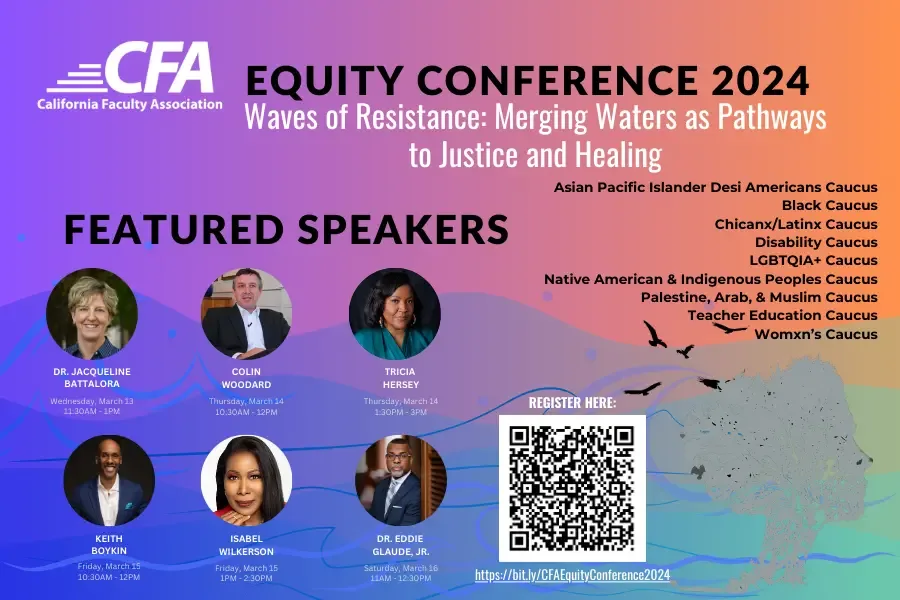
Following a tumultuous and historic year of strikes across the nation and global unrest with local impact, Equity Conference 2024 will focus on solidarity and healing through connectedness and collaboration. Picture two different bodies of water meeting, churning and forming another body of water with its own powerful sustaining life force.
This year’s virtual conference will delve into the depths of merging waters, highlighting the benefits and challenges of anti-racism and social justice liberation and collaboration for the university community and beyond. Speakers and workshop presentations will track along the following conference themes to uplift and showcase the power of transformative solidarity and organizing:
• Collaborating for the Common Good: Trouble the Water
• Care and Healing: Ebb and Flow
• Living Joyously and Free: Jubilee
Keynote speakers and workshops will be offered in webinar format and with the potential for concurrent sessions. And as always, the conference planning committee is looking to create opportunities for faculty and students to connect as social beings.

Wednesday, March 13, 2024 – Saturday, March 16, 2024
Conference Narrative:
The CFA Council for Racial and Social Justice champions and promotes anti-racism and social justice in the CSU and CFA. The Council leads, organizes and acts to ensure CSU and CFA engage racially and socially just practices based on our guiding principles. CFA members are invited to dive into this work with us.
Following a tumultuous and historic year of strikes across the nation and global unrest with local impact, Equity Conference 2024 will focus on solidarity and healing through connectedness and collaboration. Picture two different bodies of water meeting, churning and forming another body of water with its own powerful sustaining life force.
This year’s virtual conference will delve into the depths of merging waters, highlighting the benefits and challenges of anti-racism and social justice liberation and collaboration for the university community and beyond. Speakers and workshop presentations will track along the following conference themes to uplift and showcase the power of transformative solidarity and organizing:
• Collaborating for the Common Good: Trouble the Water
• Care and Healing: Ebb and Flow
• Living Joyously and Free: Jubilee
Keynote speakers and workshops will be offered in webinar format and with the potential for concurrent sessions. And as always, the conference planning committee is looking to create opportunities for faculty and students to connect as social beings.
Conference Workshops and Presentations
The conference committee is extending keynote invitations to scholars and activists. CFA caucuses are invited to collaborate with each other for workshop hosting. There are a limited number of available time slots.
Please submit workshop abstract proposals for committee review and approval no later than Friday, February 9, 2024. Early submissions are greatly encouraged. Submit proposals using this form (submissions closed). Expect responses by Friday, February 16, 2024.
As we are deep in bargaining and strike organizing, we encourage Chapter Presidents and Council for Racial and Social Justice representatives to invite faculty activists and new faculty to the conference. Here is a link to a shareable save the date flyer.
To learn more about CFA and our recent collective bargaining and our Anti-Racism Social Justice work visit the informative links provided below.
For more information about the conference, contact Director for Anti-Racism and Social Justice, Audrena Redmond at aredmond@calfac.org and Administrative Assistant, Laura Ambrosecchio at lambrosecchio@calfac.org.
Equity Conference Committee,
- Sharon Elise, San Marcos, Sociology
- Chris Cox, San José, Sociology, Interdisciplinary Social Sciences
- Mark Allan Davis, San Francisco, Africana Studies
- Vang Vang, Fresno, Library
- Dahna Stowe, Bakersfield, Sociology
- Leslie Bryan, San Bernardino, Theatre Arts
- Melissa Cardenas-Dow, Sacramento, Library
- Audrena Redmond, CFA Staff: Director for Anti-Racism and Social Justice
- N’dea Johnson, CFA Staff: Program Director of Anti-Racism and Social Justice
Featured Speaker: Colin Woodard, a New York Times bestselling historian and Polk Award-winning journalist
Host: Dr. Kim Geron, Professor in the Department of Political Science at CSU East Bay
Victory! Victory! Para Las Promotoras!
Featured Speaker: Ya Basta and CFA Womxn’s Caucus
Host: Dr. Anne Luna, Assistant Professor of sociology at CSU Sacramento
Mindfulness in the Movement: Embodiment as a Political Act
Featured Speaker: June “Jumakae” Kaewsith, a professional artist and wellness consultant
Host: Audrena Redmond, M.A, Director for Anti-Racism and Social Justice
Journey of Story and Poetry
Featured Speaker: Judy Juanita, an award-winning poet and short story writer, novelist, essayist, and playwright
Host: Mark Allan Davis, MFA, Assistant Professor of Africana Studies in Black Performance Studies/Dramatic Literature and Music/Theatre History at San Francisco State University
Why Does Everything Have to Be About Race?
Featured Speaker: Keith Boykin, a TV and film producer, national political commentator, New York Times best-selling author, and a former White House aide
Host: Dr. Charles Toombs, Professor of Africana Studies at San Diego State University and CFA President
Capitalist State Violence
Featured Speaker: Dr. Sebastián Sclofsky, an associate professor of Criminal Justice at CSU Stanislaus
Host: Dr. Sharon Elise, Professor of Sociology and CFA Asst VP for Racial and Social Justice
Book Banning Resistance
Featured Speakers: Ginny Barnes, Lisa Cheby, Amanda Grombly, Raymond Pun, and Catherine Paolillo
Host: Catherine Paolillo, Outreach and Engagement Librarian at CSU Channel Islands
Student-Faculty Suppression at CSU Campuses: Healing the Wounds of Injustice
Featured Speakers: Professor John Caravello, Dr. Sang Hea Kil, and Dr. Akhila Ananth
Host: Dr. Akhila Ananth, Associate Professor in the School of Criminal Justice & Criminalistics at California State University, Los Angeles
Radical Empathy and Inclusion
Featured Speaker: Brandon Kazen-Maddox, a sign language artist, director, choreographer, dancer, acrobat, and filmmaker
Host: Leslie Bryan, Theatre Arts Lecturer at CSU San Bernardino
Reclaiming the Radical Politics Self-Care: A Crip of Color Critique
Dr. Sami Schalk, a professor of Gender & Women’s Studies and an author
Host: Melissa Cardenas-Dow, Social Sciences Librarian at Sacramento State University
Rest Is Resistance
Featured Speaker: Tricia Hersey, an artist and theologian
Host: Talitha Matlin, MLIS, STEM Librarian at CSU San Marcos
We See Each Other
Featured Speaker: Tre’Vell Anderson, a journalist, podcast host, and authoress
Host: Dr. Tracey Salisbury, Department Chair and Assistant Professor of Black Studies at CSU Bakersfield
Artificial Intelligence, Race, Gender, and Education
Featured Speaker: Dr. Avriel Epps, a computational social scientist, scholar, and strategist
Host: Dr. Kevin Wehr, Professor of sociology at CSU Sacramento
2023 Equity Conference
We are all very excited for the virtual 2023 Equity Conference! The conference planning team is putting together a conference program that will feature dynamic speakers, workshops, and other sessions from CSU faculty and guest presenters.
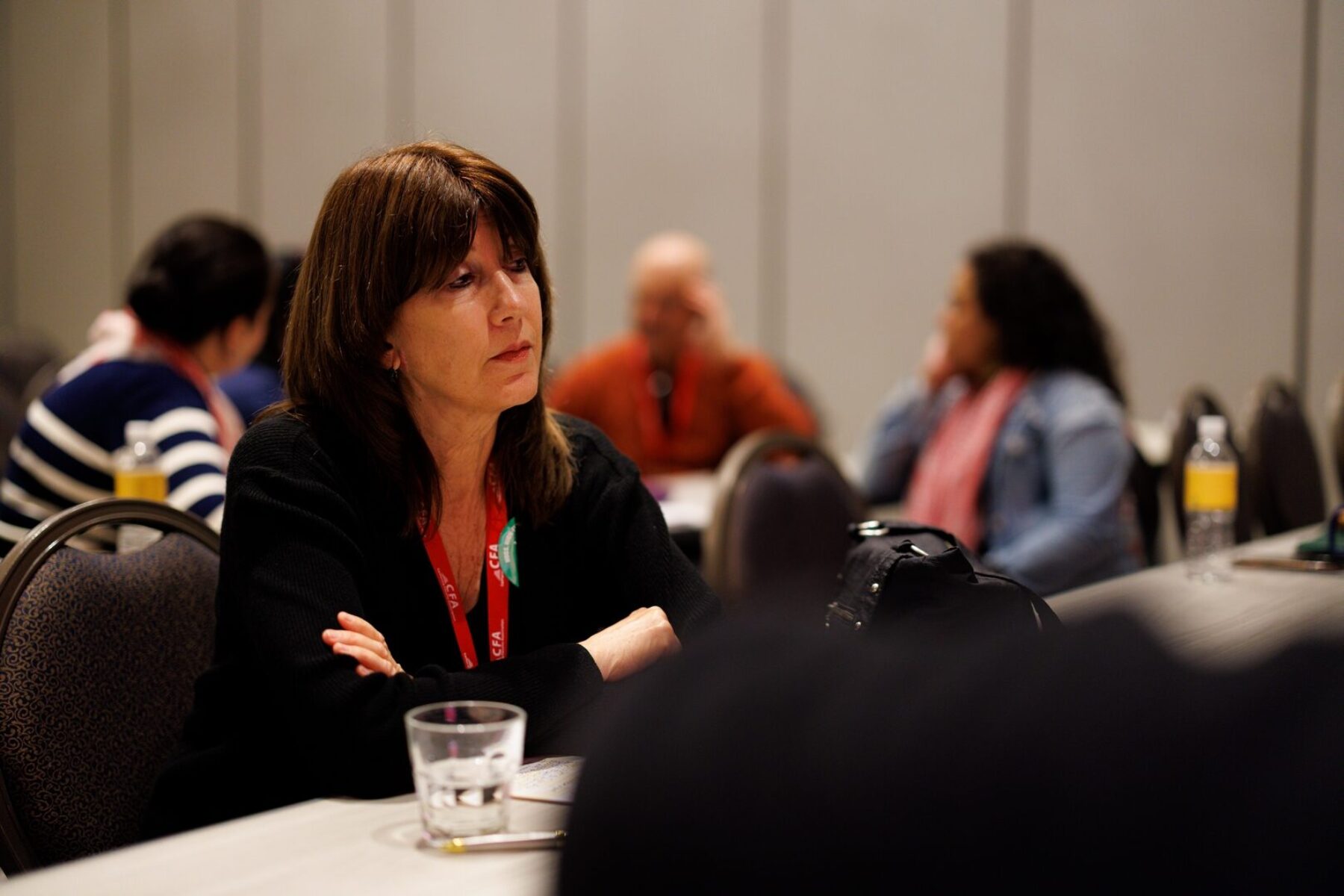
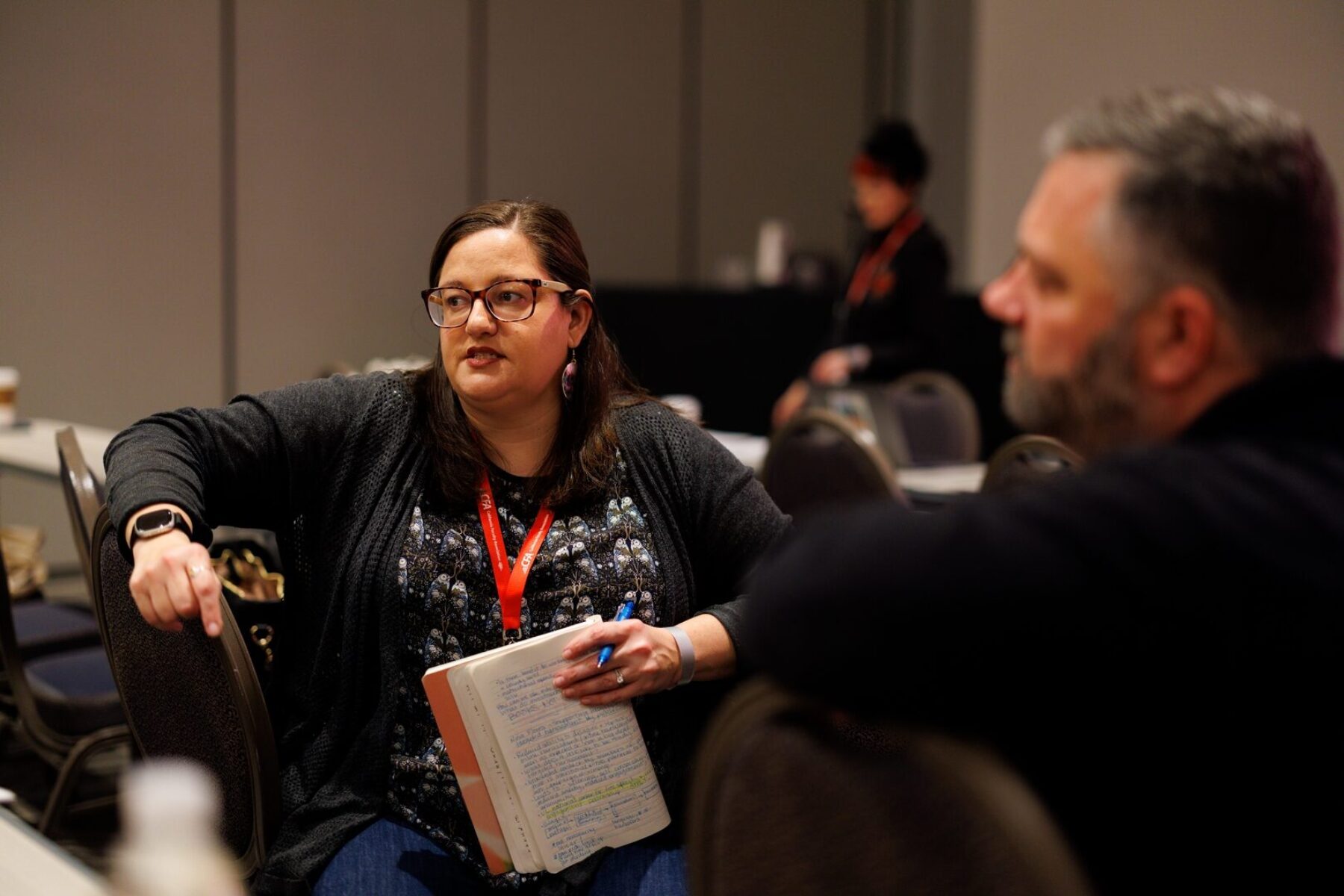
The conference will focus on our development as co-conspirators, organizers, and mobilizers, working towards scholar activism and radical praxis, engaging activist resistance, and mounting counternarratives from the perspectives of marginalized communities. This will guide our continuing themes:
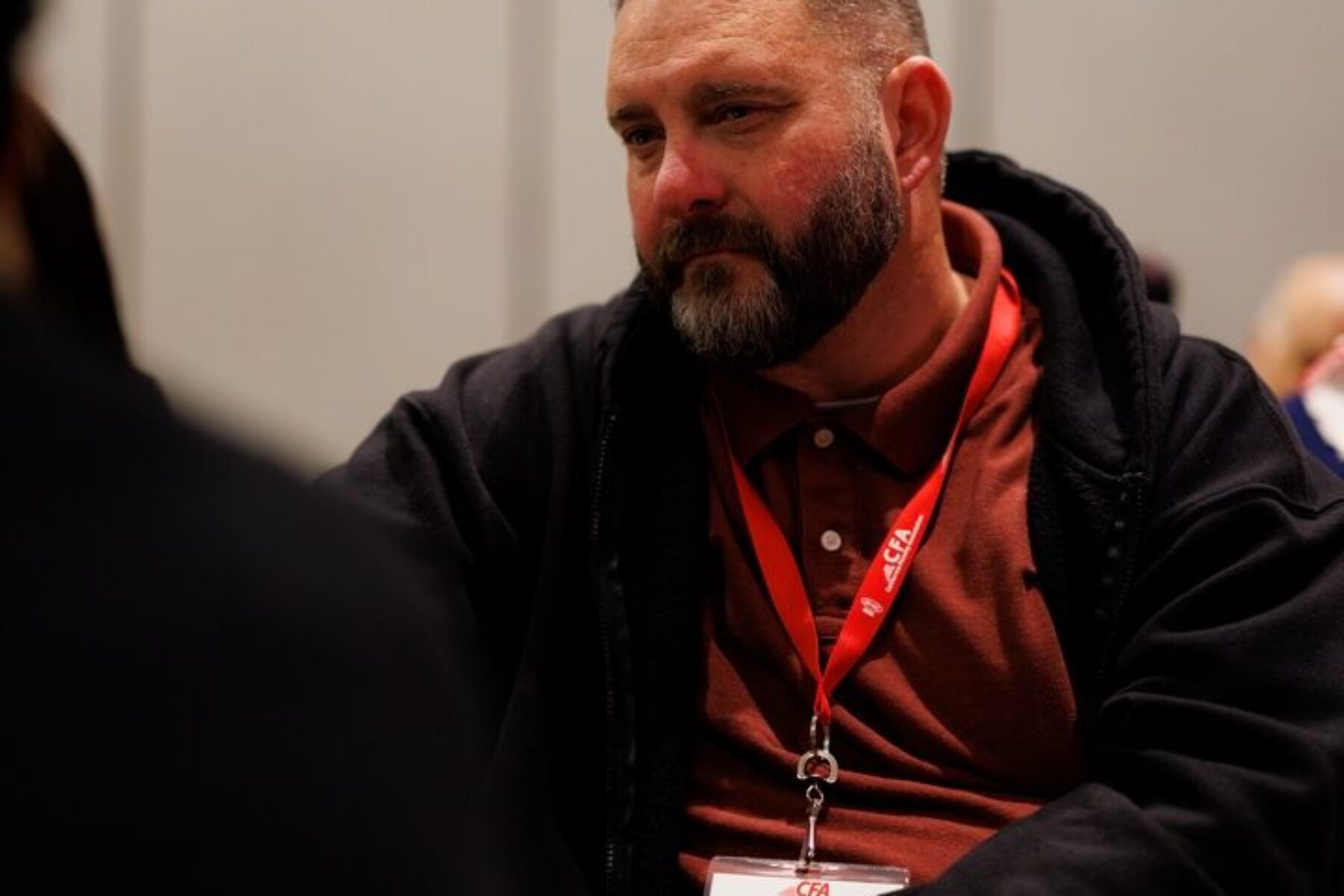
1) Envisioning radically different futures
2) Strategies for Co-liberation
3) (In)/(Hyper)Visible Labor in the CSU
4) Care and Healing
Chapter presidents and CRSJ representatives are asked to begin now to share the save the date flyer with your chapter leaders, activists and others with whom you’d like to strengthen relationships. You can find a link to the flyer here. Registration will be available mid-February.
Conference Narrative:
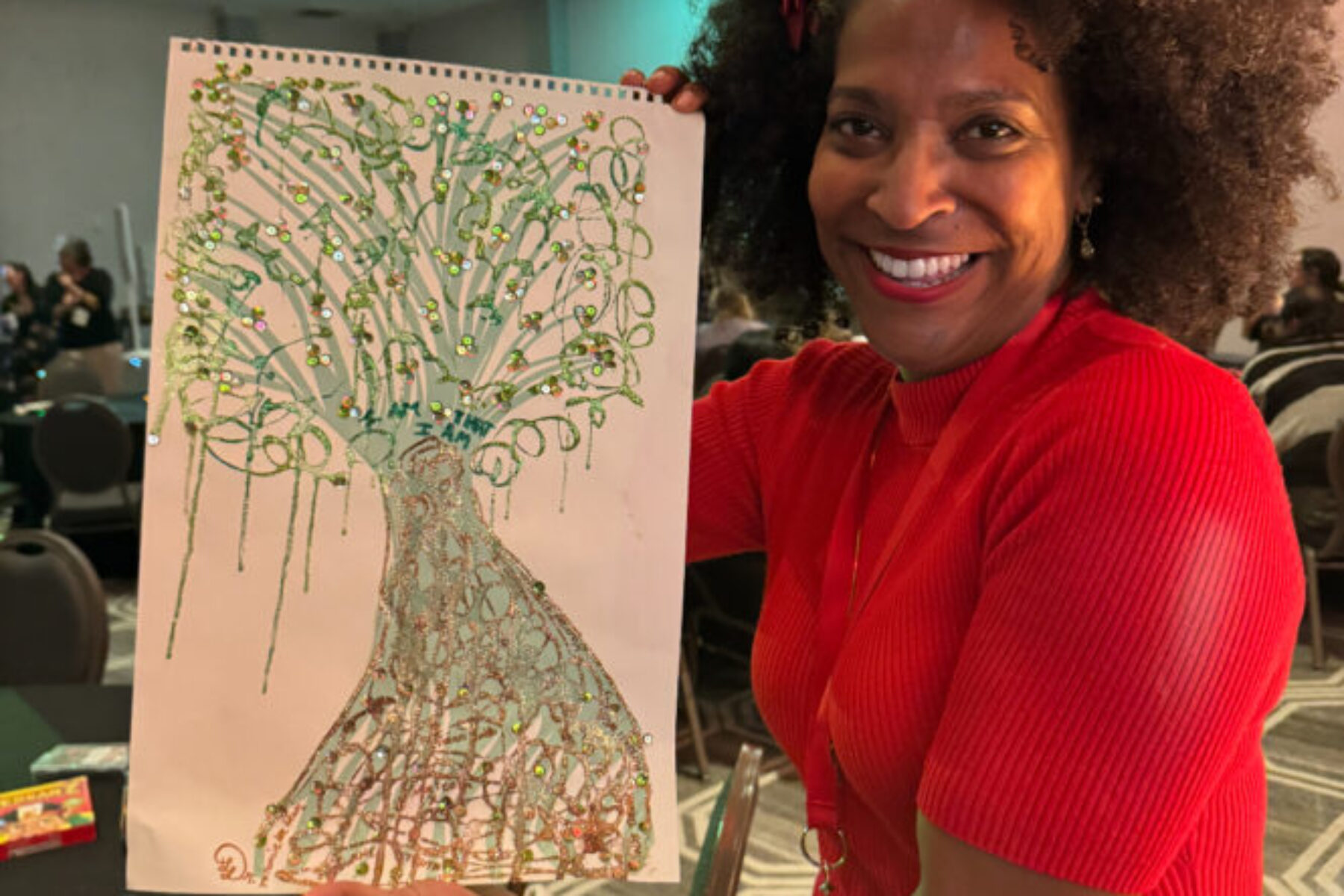
The Equity Conference 2023, “Co-conspiring for an Equitable Future: Building the Social Justice Bridge,” will focus on anti-Blackness and anti-indigeneity in the CSU. Our goal is to learn and share ways to effectively organize and mobilize to achieve our goals for a more equitable future. We will emphasize being co-conspirators who actively participate in dismantling systems of oppression. Co-conspiratorship, in contrast to allyship, is a commitment to take action towards liberation and abolition, to working with marginalized communities and backgrounds in ways that take on some of the risk of fighting for equity against powerful and sometimes ambiguous agents.
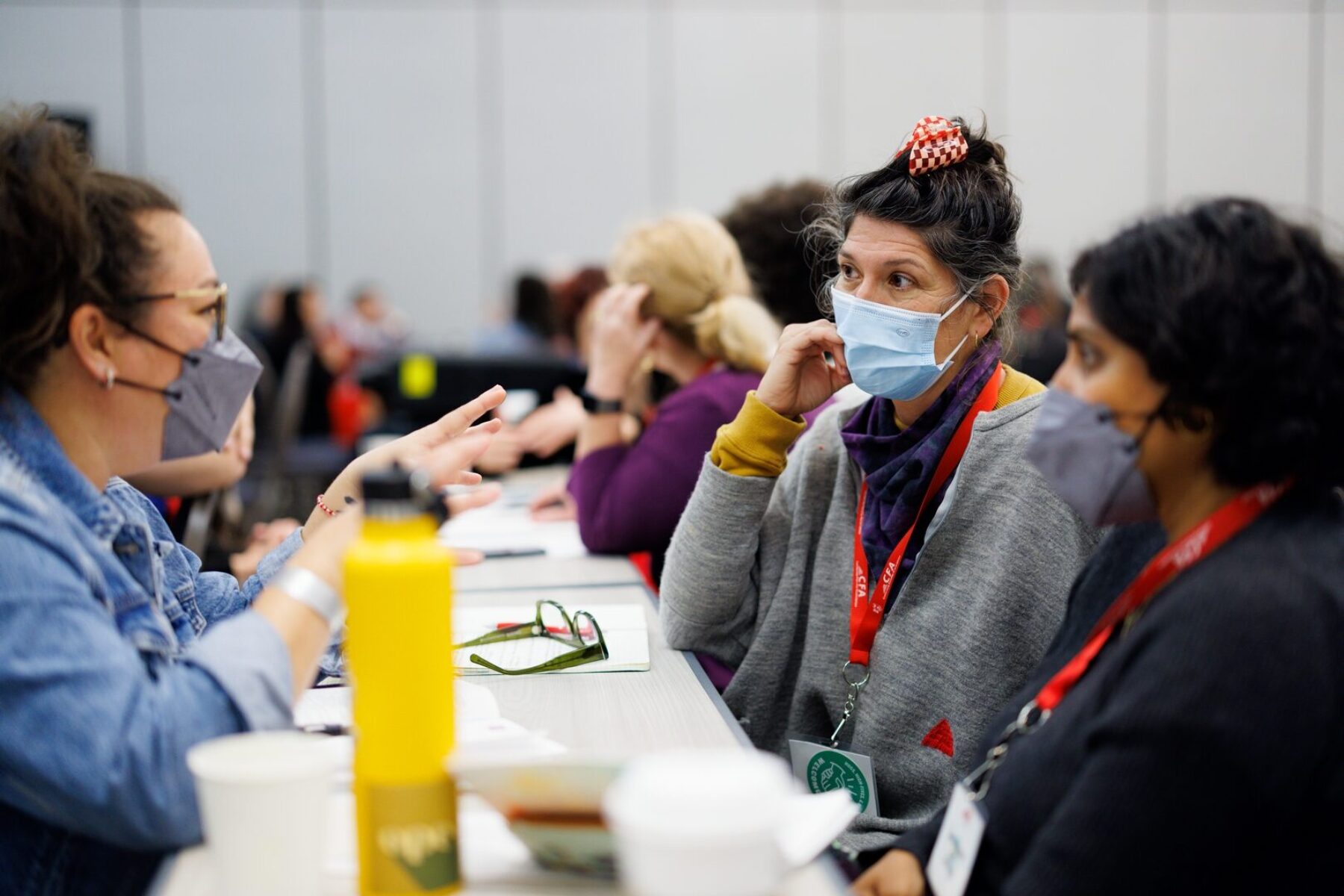
This year’s conference will focus on our development as co-conspirators, organizers, and mobilizers, working towards scholar activism and radical praxis, engaging activist resistance, and mounting counternarratives from the perspectives of marginalized communities. This will guide our continuing themes:
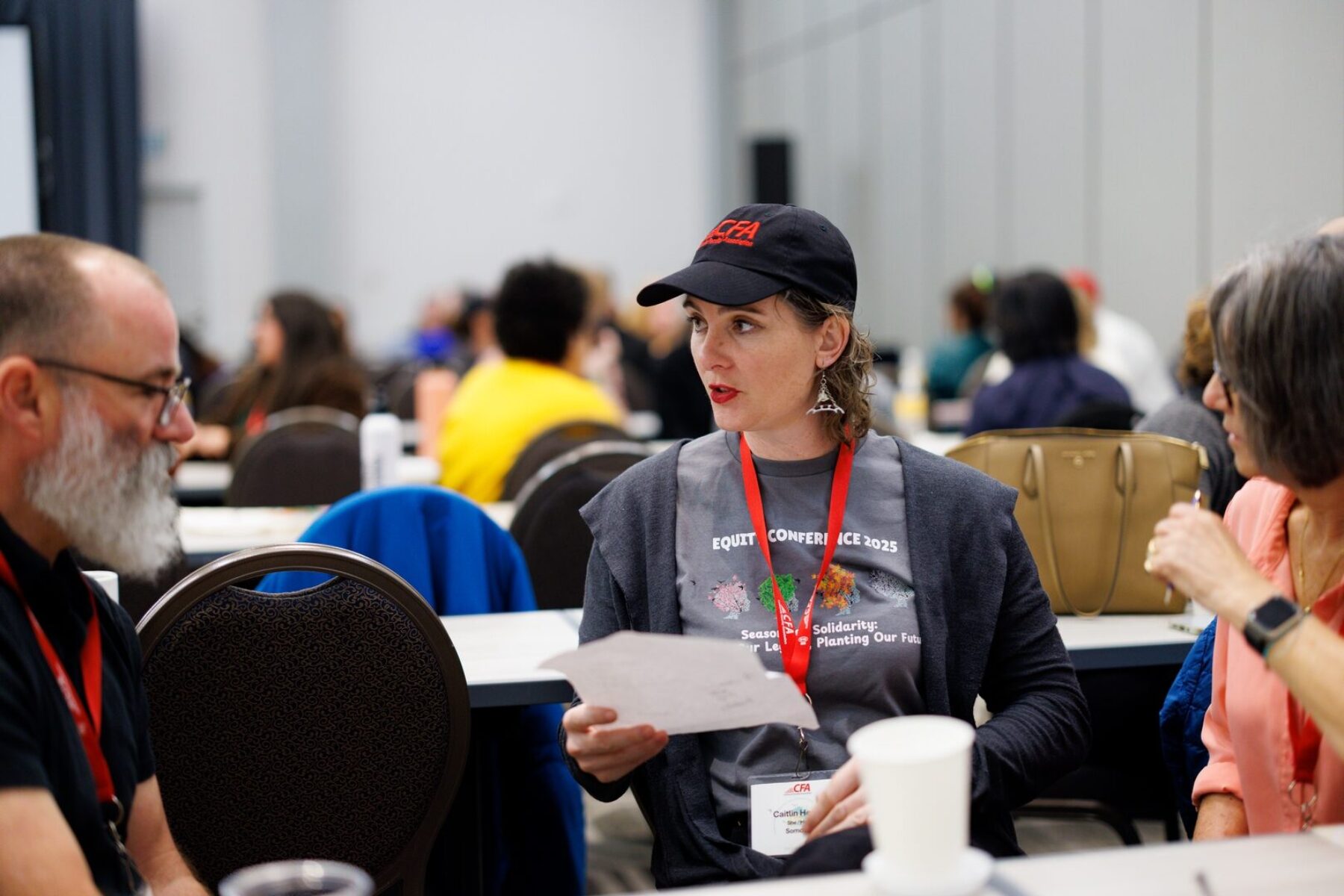
1) Envisioning radically different futures
2) Strategies for Co-liberation
3) (In)/(Hyper)Visible Labor in the CSU
4) Care and Healing
In the spirit of access, justice, equity, and inclusion, this year’s conference will provide attendees with opportunities to have thoughtful conversations about research, policies, and practices with other CFA member-activists to co-conspire to build the social justice bridge to a more equitable future with intentionality and determination.

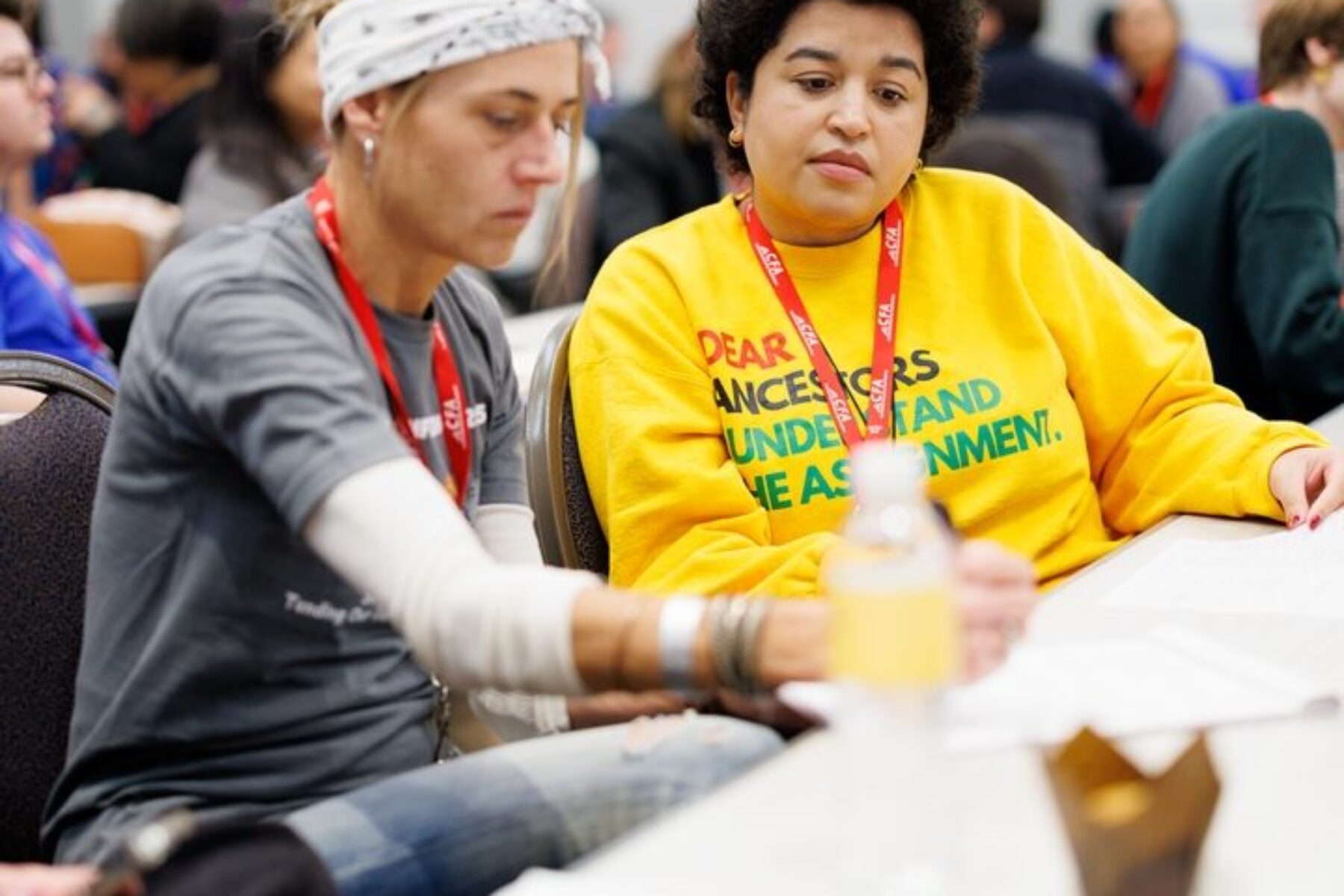
Conference Participation
We look forward to seeing you at this powerful conference. The registration link will be made available mid-February. For more information about the conference, contact Director of Programs for Anti-Racism and Social Justice, Audrena Redmond at aredmond@calfac.org and Events Specialist Kiarra “KiKi” Lee at klee@calfac.org.
Welcome to Equity Conference!
Featured Speakers: Charles Toombs, CFA President; Sharon Elise, CFA AVP CRSJ, South; Chris Cox, CFA AVP CRSJ, North; and CFA Equity Conference 2023 Tri-Chairs: Talitha Matlin, Aparna Sinha, and Nicholas Centino
We Are Owed: Language and Liberation
Featured Speaker: Ariana Brown, Author We Are Owed. and Sana Sana
Host: Sharon Elise, CFA AVP CRSJ, South
No More Police: A Case for Abolition
Featured Speaker: Andrea Ritchie, Author, Activist, Lawyer
Host: Alexa Sardina, Professor, Division of Criminal Justice, Sacramento State
Telling Your Anti-Racism Social Justice Story
Featured Speaker: Melissa Morgan, Education and Youth Advocate
Host: Diane Blair, CFA Secretary
Public Sociology: Planting Preemptive Seeds Through Wraparound Educational Empowerment
Featured Speakers: Dr. Marisa Salinas, Associate Professor, Sociology, CSU San Marcos; Dr. Xuan Santos, Associate Professor, Sociology, CSU San Marcos
Host: Nicholas Centino, CFA Equity Conference 2023 Tri-Chair
Crutches and Spice
Featured Speaker: Imani Barbarin, Disability Rights and Inclusion Activist
Host: Leslie Bryan, CFA Disability Caucus Co-Chair
Finding Our Way to Community Justice Strategies
Featured Speaker: Monisha “Moe” Miller, CFA AVP Lecturers, South
Host: Talitha Matlin, CFA Equity Conference 2023 Tri-Chair
Adopting a Disability Justice Framework
Featured Speaker: Alex Locust
Host: Leslie Bryan, CFA Disability Caucus Co-Chair
Unions are for Everyone
Featured Speaker: Yvonne Wheeler, Los Angeles County Federation of Labor, AFL-CIO President
Host: Charles Toombs, CFA President
More Than 25 Screaming
Featured Speakers: Melina Abdullah, Black Lives Matter Los Angeles; Sheila Bates, Black Lives Matter Los Angeles; Henry Perez, InnerCity Struggle; Luis López Resendiz, CIELO
Host: Audrena Redmond, CFA Director of Programs, Anti-Racism and Social Justice
Toward an Experimental Poetics of Radical Care & Deep Organizing
Featured Speaker: Jason Magabo Perez
Host: Melissa-Cardenas Dow, CFA Librarian Committee Chair
A Closing Reflection: CFA’s Equity Conference 2023
Featured Speakers: Charles Toombs, CFA President; Sharon Elise, CFA AVP CRSJ, South; Chris Cox, CFA AVP CRSJ, North; and CFA Equity Conference 2023 Tri-Chairs: Talitha Matlin, Aparna Sinha, and Nicholas Centino
Download the images below to use these for the Equity Conference 2023.
Click your profile picture, then click on Settings. In the left menu bar, click on the Virtual Background tab (if you don’t see this tab, log in to the Zoom website, go to Settings and toggle on Virtual Background). In the Virtual Background tab, select any of the images you downloaded OR Watch this video to set up your zoom background.
2022 Equity Conference
Conference Narrative:
The 2020 and 2021 Equity Conference titles were “Connecting for Co-liberation.” We were laser focused on developing strategies to address the intertwined past and futures of our caucus constituencies (Black, Asian Pacific Islander and Desi Americans, Chicanx/Latinx, Disability, LGBTQIA+, Native American and Indigenous Peoples, Palestinian Arab Muslim, Teacher Education, Women’s). We invited speakers such as Lorretta Ross, Tara Yosso, Reverend Angel Kyodo Williams, and Tommy Orange to help guide us through our themes of “decolonization, liberation, joy and resistance; intersectional continuums of violence & power; and (in)/(hyper) visibility.” Participants are still talking about the impact of speakers and the conference as a whole. This year’s conference will continue creating pathways for co-liberation.
For the Equity Conference 2022, “From Here to There: Building the Social Justice Bridge,” the goal is to showcase the liberatory social justice work being done in educational institutions and our communities. We will strive to envision a radical future where we identify and dismantle systems of oppression. We will strategize the steps we need to take to realize that future. This future must actively address “the dynamics of oppression, privilege, and isms, recognizing that society is the product of historically rooted, institutionally sanctioned stratification along socially constructed group lines that include race, class, gender, sexual orientation, and ability” (Cochran-Smith, 2004). The themes for this year are:
- Envisioning Radically Different Futures
- Strategies for Co-liberation
- (In)/(Hyper)Visible Labor in the CSU
- Care and Healing Justice
The hope is that this year’s conference will provide attendees with opportunities to have thoughtful conversations about research, policies, and practices that advance the goal of achieving racial and social justice in education and our communities to help us both build and walk the metaphoric social justice bridge that will help us to get to our manifested future.
Conference Participation
We look forward to seeing you at this powerful conference. For more information about the conference, contact Director of Programs for Anti-Racism and Social Justice Audrena Redmond at aredmond@calfac.org and Events Coordinator Kiarra Lee at klee@calfac.org.
Welcome to Equity Conference!
Featured Speakers: Charles Toombs, CFA President; Sharon Elise, CFA AVP CRSJ, South; Chris Cox, CFA AVP CRSJ, North; and CFA Equity Conference 2022 Tri-Chairs: Talitha Matlin, Aparna Sinha, and Nicholas Centino
Crutches and Spice
Featured Speaker: Imani Barbarin, Disability Rights and Inclusion Activist
Co-Hosts: Leslie Bryan, CFA Disability Caucus Chair, and Scott Hopkins, Professor, CSU East Bay
Cancel Culture
Featured Speakers: Loretta Ross, Professor of the Study of Women and Gender at Smith College; Loan Tran, leader in liberation struggles
Host: Talitha Matlin, Tri-Chair of CFA Equity Conference 2022
Acknowledging and Caring for Our Trans Siblings
Featured Speakers: Hector Plascencia, movement consultant, community builder, and social justice advocate; Fatima Shabazz, President/CEO of Fatima Speaks LLC
Co-Hosts: Vickie Harvey, Professor, Stanislaus State; Audrena Redmond, CFA Director of Programs for Anti-Racism & Social Justice
Your Debt is Someone Else’s Asset
Featured Speaker: Astra Taylor, Co-Founder of The Debt Collective
Co-Hosts: Aparna Sinha, CFA Equity Conference 2022 Tri-Chair, and Audrena Redmond, CFA Director of Programs for Anti-Racism & Social Justice
Embracing Yoga’s Roots
Featured Speaker: Susanna Barkataki, Teacher and Yoga Culture Advocate
Host: Talitha Matlin, CFA Equity Conference 2022 Tri-Chair
Defining “Servingness” at Hispanic Serving Institutions
Featured Speaker: Dr. Gina Garcia, Associate Professor in Department of Educational Foundations, Organizations, and Policy at University of Pittsburgh
Co-Hosts: Tracey Salisbury, Assistant Professor, CSU Bakersfield; Chris Cox, Associate Vice President, Racial and Social Justice, North
A Movement for Caste Equity: Addressing Caste Discrimination in Higher Education
Featured Speakers: Thenmozhi Soundararajan, Executive Director of Equality Labs; Prem Pariyar, GSW, CSU East Bay alum; manmit singh, Chico State student (Pariyar and singh advocated for adding caste to the list of categories protected from discrimination in the CSU)
Co-Hosts: Lisa Kawamura, Co-Chair of CFA’s Asian Pacific Islander Desi American (APIDA) Caucus; Vang Vang, CFA Treasurer and Co-Chair of CFA’s APIDA Caucus
The Power of Visionary Fiction
Featured Speaker: Dr. Jennifer Eagan, Professor of Philosophy and Public Affairs & Administration, CSU East Bay
Co-Hosts: Charles Toombs, CFA President; Sharon Elise, CFA AVP CRSJ, South; Audrena Redmond, CFA Director of Programs for Anti-Racism & Social Justice
Dreaming As Strategy: Envisioning Ourselves as Future Ancestors
Featured Speaker: June “Jumakae” Kaewsith, Founder of Your Story Medicine and professional artist, wellness consultant, and storytelling coach
Co-Hosts: Aparna Sinha, CFA Equity Conference 2022 Tri-Chair; Moe Miller, AVP, Lecturers, South
Islamophobia, Palestine, and the CSU’s Checkpoints along the Bridge to Social Justice: Healing the Wounds
Featured Speakers: Sabrina Alimahomed-Wilson, Associate Professor, CSU Long Beach; Yazan Zahzah, Lecturer, San Diego State; Stevie Ruiz, Associate Professor, CSU Northridge; Rana Sharif, Lecturer, CSU Northridge; Theresa Montaño, Professor, CSU Northridge; Manzar Foroohar, Professor, Cal Poly; Vida Samiian, Dean of the College of Arts and Humanities, Fresno State; and Rachael Stryker, CFA East Bay Chapter President
Co-Hosts: Rabab Abdulhadi, Co-Chair of Palestine, Arab, and Muslim (PAM) Caucus; Janet Winston, CFA’s PAM Caucus Co-Chair
Racelighting
Featured Speaker: J. Luke Wood, Ph.D, Vice President of Student Affairs & Campus Diversity at San Diego State
Co-Hosts: Charles Toombs, CFA President; Gloria Rhodes, Librarian, San Diego State
Closing Keynote: Dream Work Makes the Team Work
Featured Speaker: Dr. Cecil Canton, Professor Emeritus at Sacramento State and former CFA Board of Director
Equity Conference 2022: A Closing Reflection
Panelists: Sharon Elise and Chris Cox, CFA Council for Racial and Social Justice Co-Chairs; Nicholas Centino, Talitha Matlin, and Aparna Sinha, CFA Equity Conference 2022 Tri-Chairs; Charles Toombs, CFA President; Audrena Redmond, CFA Director of Programs for Anti-Racism & Social Justice
Continuing Education Credit
The CFA Equity Conference is offered as a continuing education course at CSU Chico. Conference attendees who also register for Class # 5003, course MCGS 802A, Section 201 and submit proof of registration to CFA will be reimbursed the $75.00 fee. This is an excellent opportunity to build your resume. For more information on how to register for the course, you can visit here.
2021 Equity Conference

Conference Narrative:
The 2020-2021 Equity Conference mark the first time the Equity Conference, birthed as a project of the California Faculty Association’s Council for Affirmative Action, is offered in consecutive years and as a project of the Council for Racial and Social Justice. This is more than a name change, as it reflects the concerted efforts undertaken in the last several years to center Anti-Racism and Social Justice in all things CFA, beginning with the recognition that racism and white supremacy is institutionalized in our organization and a commitment to what we began calling our Anti-Racism Social Justice Transformation.
The 2018 Equity Conference, called us to take the lens of intersectionality to our practices and vision following the framework of Black feminist and Critical Race scholar/activist Kimberle Crenshaw as we sought to respond to the “resurgence of racist, sexist, homophobic, xenophobic, anti-immigrant, anti-labor, and White supremacist discourses in the aftermath of the 2016 Presidential election” and to build upon the resistance expressed by progressive activists across the country. We saw intersectionality as a framework for coalition building in the labor movement.
Now, for Equity 2020-21, we build upon that framework by merging notions of belonging and bridging (cf John Powell, Facing Race) and of redefining difference as a source of power (Audre Lorde) as we connect for co-liberation. We now view our oppressions as linked in a matrix of domination, therefore, so too are our freedoms. This envisioning inspires us to call on members to organize in a new, distinctive way. Instead of working within individual caucuses (e.g., Asian/Pacific Islander, Women’s, Lesbian/Gay/Bisexual/Transgender, Chicanx/Latinx, Indigenous Peoples, Disability, African American and Teacher Education) to prepare workshops and guest speakers, caucus leaders and conference planners were tasked with approaching key themes intersectionally, while offering their collective wisdom in consideration of how these themes are best articulated with particular identities and experiences so that we may “connect for co-liberation.”
The chosen themes chosen are:
- Decolonization, Liberation, Joy and Resistance
- Intersectional Continuums of Violence & Power
- (In)/(Hyper)Visibility
We look forward to mapping a way toward co-liberation and are thrilled to announce confirmed series of keynotes from:
- Reverend Angel Kyodo Williams
Writer, Activist, ordained Zen priest and Author - Jenny Yang
Comedian - Dr. Fania Davis
Attorney, Artist, Author - Tommy Orange
Author of “There There” - Dr. Shaun Harper
Executive Director of USC Race & Equity Center - Dr. Tara Yosso
Professor, Graduate School of Education at the University of California, Riverside - Loretta Ross
Activist, Public Intellectual, Professor
Connecting for Co-Liberation with CFA Leaders
Featured Speakers: Charles Toombs CFA President Sharon Elise CFA AVP CRSJ South Margarita Berta-Avila CFA AVP North
Urban Natives: In/Hypervisibility
Featured Speaker: Tommy Orange Author of “There There”
Calling in the Call Out Culture
Featured Speaker: Loretta Ross Activist, Public Intellectual, Professor
Race and Restorative Justice
Featured Speaker: Dr. Fania Davis Attorney, Artist, Author
Transformative Change and Discomfort
Featured Speaker: Rev. Angel Kyodo Writer, Activist, ordained Zen Priest and Author
Download the images below to use these for the Equity Conference 2021.
Click your profile picture, then click on Settings. In the left menu bar, click on the Virtual Background tab (if you don’t see this tab, log in to the Zoom website, go to Settings and toggle on Virtual Background). In the Virtual Background tab, select any of the images you downloaded OR Watch this video to set up your zoom background.

2020 Equity Conference
“If you’ve come here to help me, you’re wasting your time. But if you’ve come because your liberation is bound up with mine, then let us work together.”
― Australian Aboriginal Elder Lilla Watson
This year marks the first time the Equity Conference, birthed as a project of the California Faculty Association’s Council for Affirmative Action, is offered as a project of the Council for Racial and Social Justice. This is more than a name change, as it reflects the concerted efforts undertaken in the last several years to center Anti-Racism and Social Justice in all things CFA, beginning with the recognition that racism and white supremacy is institutionalized in our organization and a commitment to what we began calling our Anti-Racism Social Justice Transformation.
The last Equity Conference, in 2018, called us to take the lens of intersectionality to our practices and vision following the framework of Black feminist and Critical Race scholar/activist Kimberle Crenshaw as we sought to respond to the “resurgence of racist, sexist, homophobic, xenophobic, anti-immigrant, anti-labor, and White supremacist discourses in the aftermath of the 2016 Presidential election” and to build upon the resistance expressed by progressive activists across the country. We saw intersectionality as a framework for coalition building in the labor movement.
Now, for Equity 2020, we build upon that framework by merging notions of belonging and bridging (cf John Powell, Facing Race) and of redefining difference as a source of power (Audre Lorde) as we connect for co-liberation. We now view our oppressions as linked in a matrix of domination, therefore, so too are our freedoms. This envisioning inspires us to call on members to organize in a new, distinctive way. Instead of working within individual caucuses (e.g., Asian/Pacific Islander, Women’s, Lesbian/Gay/Bisexual/Transgender, Chicanx/Latinx, Indigenous Peoples, Disability, African American and Teacher Education) to prepare workshops and guest speakers, caucus leaders and conference planners have been tasked with approaching key themes intersectionally, while offering their collective wisdom in consideration of how these themes are best articulated with particular identities and experiences so that we may “connect for co-liberation.”
The themes chosen by conference planners, including caucus leaders, are:
- Decolonization, Liberation, Joy and Resistance
- Intersectional Continuums of Violence & Power
- (In)/(Hyper)Visibility
We look forward to mapping a way toward co-liberation and are thrilled to announce confirmed keynote Safiya Umoja Noble author of Algorithms of Oppression: How Search Engines Reinforce Racism.
In the words of Sonali Sangeeta Balajee:
“Liberatory-based language and practices have been centered from groups such as Black Lives Matter, the queer Chicana movement, Bioneers, and the Women’s March. I purposefully use co-liberation to account for the understanding of decolonial action and the belief, expressed by many activists, in a collective liberation that connects your freedom to mine, and mine to yours. Co-liberation calls for integrating self, community, and institutions toward a greater good. This definition requires an underlying belongingness; co-liberation is required for the social and spiritual connection to thrive. As Zadie Smith shares in the foreword of her recent book Feel Free: ‘You can’t fight for a freedom you’ve forgotten to identify.’ (Supporting sources: Audre Lorde, Laura Perez, Ramon Grosfoguel, Lyra Butler-Detman, Robyn Avalon).”
More at http://www.otheringandbelonging.org/evolutionary-roadmap-belonging-co-liberation/
Conference Participation
The Council for Racial and Social Justice commits to sponsoring up to six (6) persons from each chapter to attend. Moreover, the Council strongly encourages chapter presidents to invite current or prospective activist colleagues to participate in the conference. In addition, chapters are strongly encouraged to support at their expense additional faculty with whom it wishes to build stronger activists relationships.
We look forward to seeing you at this powerful conference. For more information about the conference contact Audrena Redmond at aredmond@calfac.org or Maureen Loughran at mloughran@calfac.org.
Co-Chairs:
John Beynon (Fresno State, jbeynon@calfac.org)
Sharon Elise (San Marcos, selise@calfac.org)
Equity Conference Planning Committee:
William Arce (Fresno, warce@calfac.org)
G Chris Brown (Fullerton, gcbrown@calfac.org)
Renee Byrd (Humboldt, rbyrd@calfac.org)
Cecil Canton (Sacramento, ccanton@calfac.org)
Dorothy Chen-Maynard (San Bernardino, dchenmaynard@calfac.org)
Mark Allan Davis (San Francisco, mallandavis@gmail.com)
Susan Frawley (Chico, sfrawley@calfac.org)
Rafael Gomez (Monterey Bay, rgomez@calfac.org)
Moe Miller (Fullerton, mmiller@calfac.org)
Theresa Montano (Northridge, tmontano@calfac.org)
Tracey Salisbury (Bakersfield, tsalisbury1@csub.edu)
Erma Jean Sims (Sonoma, ejsims@calfac.org)
George Station (Monterey Bay, gstation@calfac.org)
Charles Toombs (San Diego, ctoombs@calfac.org)
Lori Walkington (San Marcos, loriwalkington01@gmail.com)
CFA Staff Committee Members:
Michelle Cerecerez, mcerecerez@calfac.org
Gary Daniels, gdaniels@calfac.org
Beka Langen, blangen@calfac.org
Jessica Lawless, jlawless@calfac.org
Maureen Loughran, mloughran@calfac.org
Audrena Redmond, aredmond@calfac.org
As we continue to expand efforts uniting for Racial & Social Justice as a union, we invite artists and other creative folks from all 23 campuses to contribute to making a quilt as part of an interactive art project at the 2020 Equity Conference.
This quilt is grounded in the inspiration, politics, activism, generated by the NAMES Project AIDS Memorial Quilt, began in 1987 and continuing to this day, as well as Nikole Hannah Jones powerful New York Times 1619 Project. Drawing from the oppressive norms these two cultural phenomena make evident- economic disparity, white supremacy and compulsory heterosexuality, government neglect, genocide, diaspora, land rights, enslavement, colonization, war, migration, rape -through our nation’s history of racialized, gendered, and homophobic violence, we will create a CFA shrine for healing and renewal. We will make the invisible visible by collectively piecing together our cultures, communities, and selves.
Participants are invited to create a quilt panel in advance of the conference and bring it with them, or with their chapter representatives attending. Collaborations across departments, member classifications, and faculty/students are welcome. Please fill out the Google Form by February 23, 2020, with a brief description of your design, narrative and/or intent for your panel.
We will also provide supplies at the conference to create a panel on-site as part of the healing justice activities. There will be a ceremony and presentation of the quilt on the evening of February 28.
We will bring the quilt to Assembly in April and continue to make panels so our shrine keeps growing as we keep growing and healing together through our anti-racism and social justice work.
Please see the following for ideas and inspiration, as well as specific details for size and materials.
Details for panel construction:
Panels should be 12 x 24 inches, 24 x 36 inches, or 36 x 72 inches. Quilt panels should be constructed of soft materials and ready to be stitched to another panel in some manner, for example: grommets with string, safety pins, loops sewn to the corners Panels can be painted or have 3-dimensional objects attached, but all components must be secured in some fashion to the quilt panel in a way that it mobile and sustainable. The panel can be representational, for example: an image of a loved one or a collage of photographic images. The panel can be conceptual, for example: weathered jean material to signify labor or plastic bottles, upcycled to represent renewal or transformation/transcendence. The panel can be text-only, up to 250 words. Each panel should include attached documentation showing its origins: campus, creators, contributors, a mention of the theme that intersects the Conference Narrative.
Ideas for materials to use: Construction choices are left to the quilter and techniques such as traditional fabric quilting, embroidery, applique, paint and stencil, 3D Printing, bedazzling, beading, and iron-ons are common. Items and materials included in the panels can be: Fabrics, e.g. lace, suede, leather, taffeta, also Bubble Wrap and other kinds of plastic and even metal. Decorative items like pearls, quartz crystals, rhinestones, sequins, feathers, buttons, Mardi Gras beads, jewelry. Clothing, e.g. jeans, T-shirts, gloves, boots, hats, uniforms, jackets, flip-flops, socks, dresses, baby onesies. Items can consist of such as: wedding rings, meeting agendas, merit badges and other awards, patches, keys, food wrappers, wax. Unusual and unique items only you can imagine!
Inspiration:
Alma Lopez, Alisa Golden, Ato Ribiero, Barbara Kruger, Faith Ringgold, Felix Gonzales Torres, Glen Ligon, Israel Haro Lopez, Jacob Lawerence, Jessica Lawless, Joy Harjo, Kara Walker, Lida Abdul, Pae White, Wendy Red Star
Artnews on contemporary quilts, Basic quilting projects, Queer Fiber Artists Pushing Gender Norms
2018 Equity Conference
Conference Narrative:
The resurgence of racist, sexist, homophobic, ableist, xenophobic, anti-immigrant, anti-labor, and white supremacist discourses in the aftermath of the 2016 American Presidential election has necessarily produced an existential crisis in labor organizing and called into question the efficacy of traditional leftist principles and practices. At the same time, grassroots political and social movements including #BlackLivesMatter, American Indian resistance to the Dakota Access Pipeline, ADAPT protesters, the populist appeal of the Bernie Sanders campaign, the Women’s March and the #MeToo movement in the wake of the 2016 election continue to illuminate a path forward that utilizes intersectional theory and practice.
Intersectionality is a framework created by Black feminist scholar and civil rights advocate Kimberlé Williams Crenshaw in 1989 to describe conflicting and reciprocal identities that confront both individuals and social movements as they seek to navigategender, race, social class, ethnicity, nationality, sexual orientation, religion, age, mental disability, physical disability, mental and physical illness as well as other forms of identity. Crenshaw argued that these aspects of identity are not “unitary, mutually exclusive entities, but rather … reciprocally constructing phenomena.” Intersectionality can be used to understand the multidimensionality of systemic injustice and how different expressions of power and oppression collaborate to create an all-encompassing system reflecting multiple forms of discrimination. Further, any serious comparative historical view of resistance to power suggests that demands for solidarity across social divisions are as likely to compete as to coalesce.
This conference seeks to further CFA’s demands for solidarity across the lines of social division by engaging the framework of intersectionality as a critical mode of organizing and coalescing the multiple identities that comprise the American labor movement.
Conference Participation
The Council for Affirmative Action commits to sponsoring up to five (5) persons from each chapter to attend. Chapter presidents will be sponsored by their own local chapters. Moreover, the Council’s Executive Board strongly encourages chapter presidents to invite current or prospective activist colleagues to participate in the conference. In addition, chapters are strongly encouraged to support at their expense additional faculty (beyond the 5 supported by CAA) with whom it wishes to build stronger activists relationships.
Friday, March 16, 2018
10:00a – 11:00a Caucus meetings
11:15a – 12:15p Council for Affirmative Action
12:15p– 1:30p Conference Welcome Luncheon
Session 1: 1:45p – 2:30p
Being Female: The Many Faces of Sexism in The 21st Century
Campus Climate for LGBTQ and Ally Faculty and Students
Session 2: 2:45p – 4:00p
Intersectionality and Affirmative Action
The Intersectionality of Inequality: Latinx Students in the CSU
Session 3: 4:15p – 6:15p
Film viewing More Than A Word by John and Kenn Little and panel discussion with Craig Stone, Brian Baker, Amanda Blackhorse, Ozzie Monge
6:15p – 7:00p Cocktails/Hors d’oeuvres
7:00p – 8:00p Dinner with guest speaker Kent Wong, Director of the UCLA Labor Center
8:00p – 10:30p Gus Lease Hospitality Suite for karaoke, fun, and games
Saturday, March 17, 2018
7:00a – 7:45a Yoga with Adesh Kaur
8:00a – 9:00a Breakfast with Jen Eagan, President CFA
Session 4: 9:15a – 10:30a
“Practice What You Preach”: Infusing Social Justice Unionism into Teacher Education Programs
Data & Research Presentation: Changing Faces of CSU Faculty and Students
Session 5: 10:45a – Noon
Disability Studies, Community, Culture, and Activism
Lifting as We Climb: African American Faculty in the California Faculty Association
Lunch & Keynote: Noon – 1:45p
Derald Wing Sue, Ph.D., Professor of Psychology & Education Teachers College, Columbia University
Session 6: 2:00p – 3:15p
Talking Union: Rights, Resistance & Power in the Wake of Janus vs. AFSCME
Data & Research Presentation: Changing Faces of CSU Faculty and Students
Session 7: 3:30 – 4:15p
Improv with Obama’s Other Daughters
4:15 -5:00pm CLOSING
Conference Planning Committee
Cecil Canton, Chair CAA (Sacramento)
Nicholas L. Baham III, Co-Chair (East Bay)
Dorothy Chen-Maynard, Co-Chair (San Bernardino)
Sharon Elise (San Marcos)
Rafael Gomez (Monterey Bay)
Meghan O’Donnell (Monterey Bay)
Erma Jean Sims (Sonoma)
Charles Toombs (San Diego)
Maureen Loughran, CFA Staff
Audrena Redmond, CFA Staff
Michelle Cerecerez, CFA Staff
Direct conference questions or interest in joining the Planning Committee to Audrena Redmond.
Mark your calendars—CFA’s 10th Anniversary Equity Conference will be held March 16-17 in Los Angeles.
This year’s Equity Conference seeks to further CFA’s demands for solidarity across the lines of social division by engaging the framework of intersectionality as a critical mode of organizing and coalescing the multiple identities that comprise the American labor movement. It also is an opportunity to take action for equity, access and fairness within the CSU system for students, faculty and staff.
The conference serves as a kind of incubator of ideas, and a way for activists of all backgrounds to get involved, said Cecil Canton, CFA’s Associate Vice President of Affirmative Action and a Professor at Sacramento State.
“People can find space in the Equity Conference where they can connect with others on an emotional and intellectual level, and that connection helps sustain and validate who they are and help us arrive at solutions to the issues and challenges we’re all facing,” Canton said.
The Council for Affirmative Action will sponsor up to five people from each chapter to attend.

2016 Equity Conference
CFA is in the midst of preparing for an historic strike, but faculty activists converged March 18-19 to discuss social and educational justice for students and colleagues at our 2016 Equity Conference in Los Angeles.
This year’s Equity Conference featured highly motivated and energized speakers, as well as presenters and attendees concerned about fairness and social justice within the CSU and our communities.
Faculty, who are foremost educators, also wear many hats, and this year’s conference foregrounded their passion and compassion for many people who are still denied access and equal opportunity.
“I have never observed so much passion, enthusiasm, and determination among attendees to fight for what is right, to fight for a fair salary increase. It was simply amazing,” said Charles Toombs, Co-Chair of the Equity Conference, CFA’s Associate Vice President South, and a Professor of Africana Studies at San Diego State.
Keynote Speaker Kevin Johnson, Dean of the University of California School of Law, spoke about undocumented students, and emphasized the importance of understanding the daily fear they experience about themselves or their families being deported or otherwise “found out.” That fear is one of many challenges students face as they struggle to be successful.
The conference also featured workshops regarding our need to understand the difficulties of Trans and Non-Gender Binary students; the role of “Essential Functions” of faculty and students with disabilities; challenges Ethnic Studies departments and programs face; and the Black Lives Matter movement and how it has helped us all focus on enduring race, class, and gender inequities. Moreover, faculty, faced with salary inequities in the CSU, brought their energy and determination to strike to every part of the conference.
The conference also featured new data and research regarding race and gender issues in the CSU.
As CFA prepares to take action for fair pay – in what is set to become the largest higher education strike in this nation’s history – we also must take action for social justice.
That theme was the focal point of CFA’s 2016 Equity Conference, held March 18-19 in Los Angeles. The conference also was an opportunity to release the latest Equity Report, the sixth compilation on faculty and student diversity in the CSU.
The report speaks loud and clear: CSU faculty serve an incredibly diverse student body. Shortchanging CSU faculty disproportionately disadvantages students of color.
Click here to download the report.
Mark your calendars — CFA’s sixth Equity Conference will be held March 18-19 in Los Angeles.
This year’s Equity Conference serves as a “clarion call for faculty to analyze, mobilize, strategize and take action in support of efforts and struggles for social justice.” It also is an opportunity to take action for equity, access and fairness within the CSU system for students, faculty and staff.
The conference serves as a kind of incubator of ideas, and a way for activists of all backgrounds to get involved, said Cecil Canton, CFA’s Associate Vice President of Affirmative Action and a Professor at Sacramento State.
“People can find space in the Equity Conference where they can connect with others on an emotional and intellectual level, and that connection helps sustain and validate who they are and help us arrive at solutions to the issues and challenges we’re all facing,” Canton said.
The Council for Affirmative Action will sponsor up to five people from each chapter to attend.
2014 Equity Conference
Hundreds of faculty gathered March 7-8 in Los Angeles for CFA’s sixth Equity Conference.
They came to recharge, re-energize and learn more about the union’s journey to a more accessible and equitable CSU for all.
Among featured speakers at this year’s conference were Dr. Shirley Weber, assembly member and former faculty member, and Jackson Potter, staff coordinator for the Chicago Teachers Union.
CFA’s latest report, “Changing Faces of CSU Faculty and Students: Vol. V,” is a comprehensive, updated summary of data on the racial/ethnic and gender diversity in the California State University.
The research contained in the report will be featured during one of several workshops during CFA’s Equity Conference, which will be held March 7-8 in Los Angeles.
Helping to create a more diversified CSU, combating assaults on effective teaching methods, and examining the challenges facing public education funding in California—these are among the main points of the Council for Affirmative Action’s 2014 Equity Conference.
The conference will be held from 10 a.m. Friday, March 7 through 6 p.m. Saturday, March 8, at the Westin Hotel LAX.
This year’s theme is “A Journey for Change: Re-visioning a Better CSU.” The conference will feature Jackson Potter, staff coordinator for the Chicago Teachers Union as a keynote speaker. Multiple workshops and presentations from each caucus within CFA’s Council for Affirmative Action, as well as the Academic Professionals of CA and the New Faculty Majority, will be held during the two-day event.
Join California Faculty Association
Join thousands of instructional faculty, librarians, counselors, and coaches to protect academic freedom, faculty rights, safe workplaces, higher education, student learning, and fight for racial and social justice.